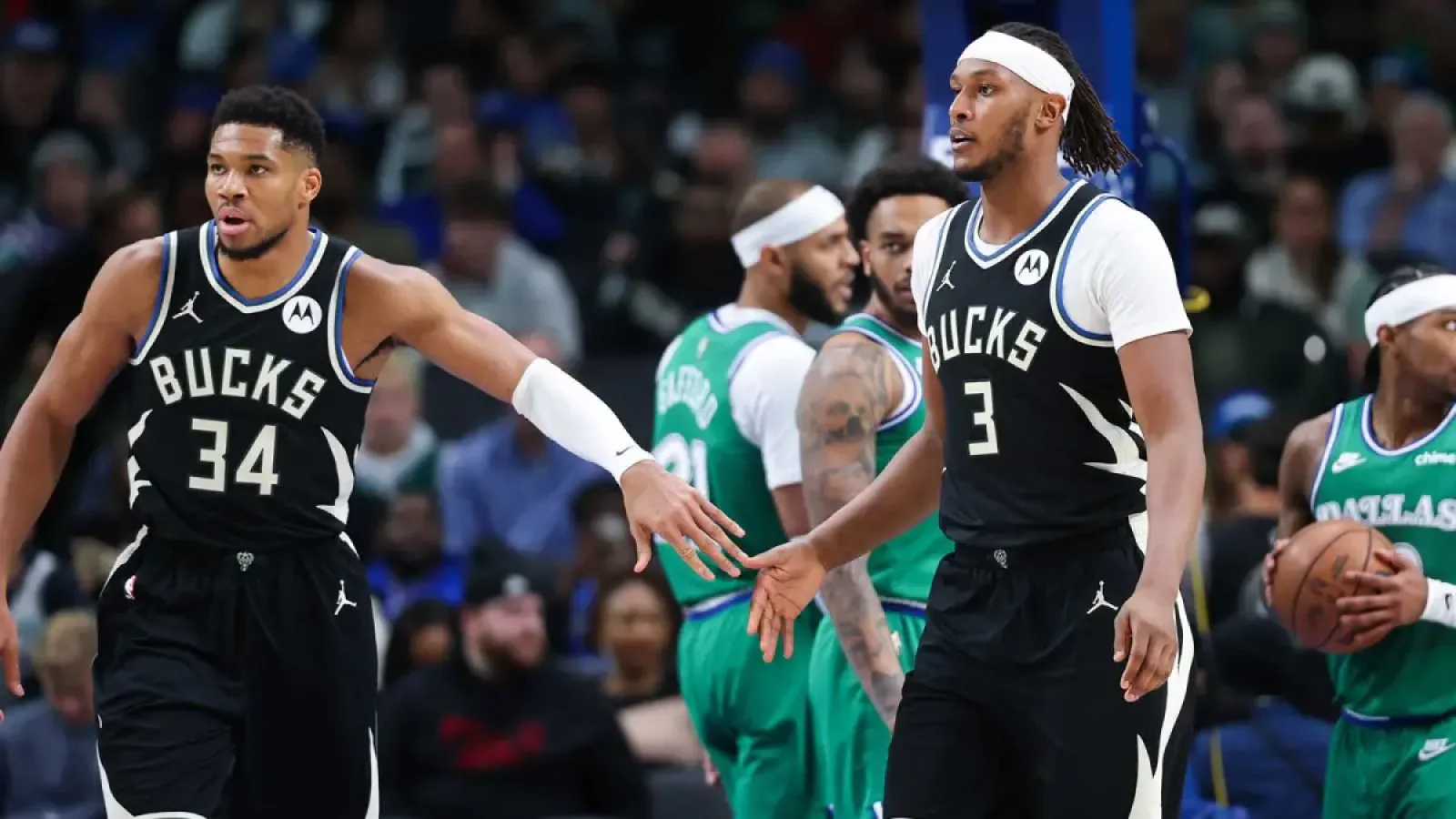
The Bucks' accountability debate got louder after a viral Myles Turner quote cycle claimed Doc Rivers did not fine players for repeatedly showing up late this season. Giannis Antetokounmpo was mentioned in that same context as the teammate most likely to be late.
After the clip spread through reposts and fan pages, the argument changed shape. Fans were not just debating Doc's rotations or late-game decisions anymore. They were asking whether the Bucks had been loose with basic locker-room standards.
What is clearly reported is the quote itself and the reaction it generated. What is not independently confirmed in public detail is the full internal policy framework used by the coaching staff across the season, including private disciplinary steps that may not be externally visible. That distinction matters when evaluating team culture narratives from a single anecdotal thread.
Still, the reason this topic resonates is straightforward: contenders are typically judged on details as much as talent. In high-pressure environments, punctuality rules and consistent enforcement are often treated as signals of locker-room equity. If stars and role players appear to operate under different expectations, outside scrutiny tends to spike quickly, regardless of context.
For Milwaukee, the broader basketball question is whether the group can tighten competitive habits while preserving trust dynamics around veteran leadership. Teams with championship aspirations usually need both: clear standards and practical flexibility. Drift too far toward either extreme, and performance culture can become unstable over a long campaign.
In that sense, this is bigger than one quote. It reflects how fans and analysts interpret organizational seriousness after a season where margins felt thin and pressure remained high around top-end outcomes.
Bottom line: the reported comments have opened a legitimate standards debate around the Bucks. The lasting impact will depend less on discourse and more on whether next season shows visible alignment between accountability language and day-to-day enforcement.


No comments yet. Start the conversation.