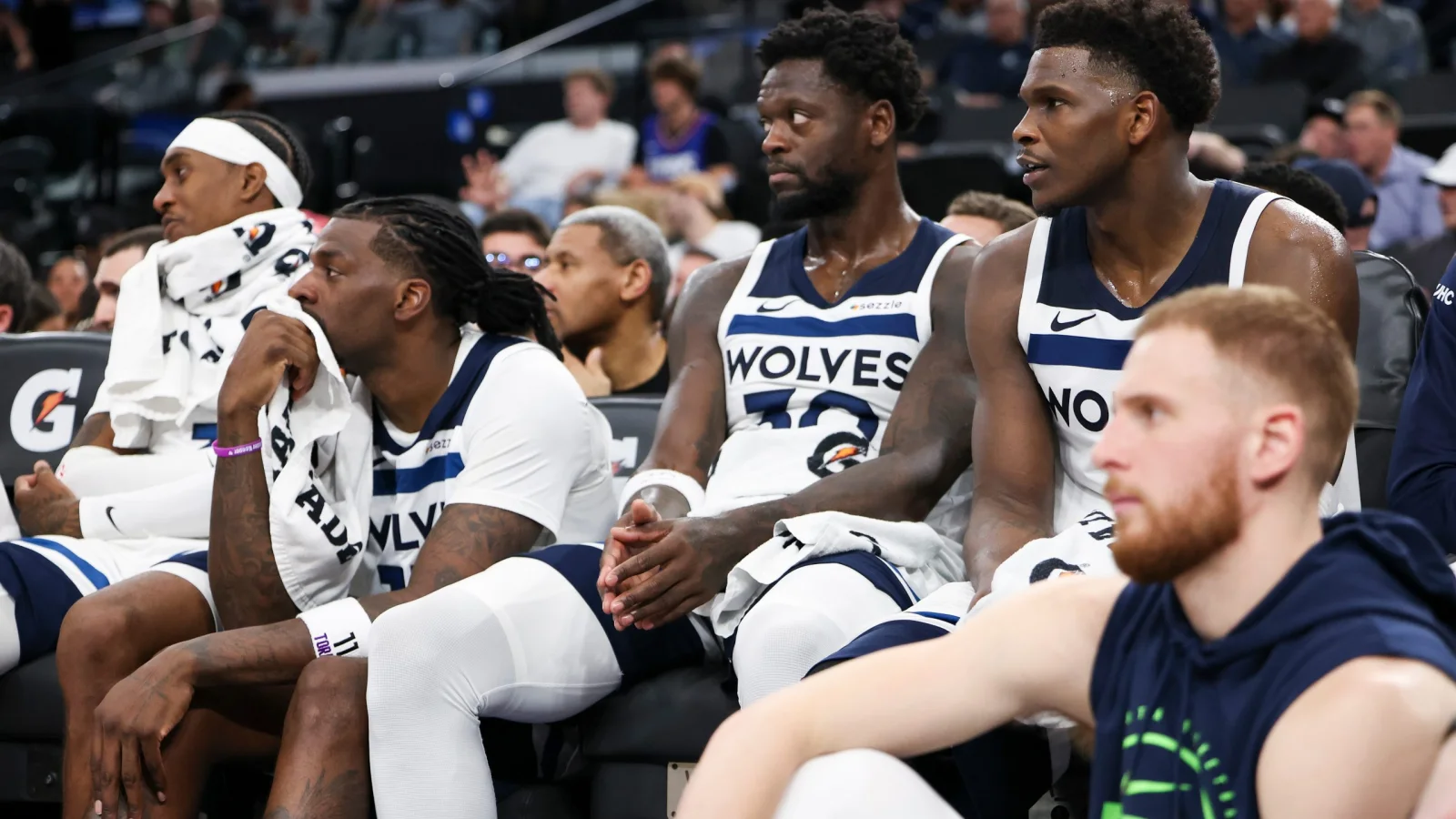
Minnesota’s current playoff issue is not effort level, it is offensive organization under pressure. In live possessions, too many sets are stalling before second actions develop, which is forcing late-clock improvisation instead of structured shot creation. Over a full game, that kind of drift makes every run harder to sustain.
The core problem looks like timing separation. Entry actions are often initiated a beat late, spacing lanes compress, and ball reversals arrive after help defenders are already loaded. When that happens, the first advantage disappears and the possession turns into contested pull-ups or bailout drives with weak rebounding shape behind them.
Against playoff-level scouting, those details get punished fast. Defenses do not need to force turnovers if they can repeatedly push Minnesota into low-quality attempts after 10–12 seconds of unproductive movement. The Wolves still have enough top-end talent to generate points, but the process is carrying too much volatility for high-leverage minutes.
The fix is tactical, not dramatic. Minnesota needs cleaner sequencing in its first two actions, faster weak-side decisions, and better spacing discipline around primary creators. Even small improvements there can restore rhythm and reduce the number of emergency possessions in closing stretches.
Bottom line: this is a structure issue more than a confidence issue. If the Timberwolves tighten their offensive timing and keep the ball moving with purpose, the underlying talent can reappear as consistent production instead of isolated bursts.

No comments yet. Start the conversation.