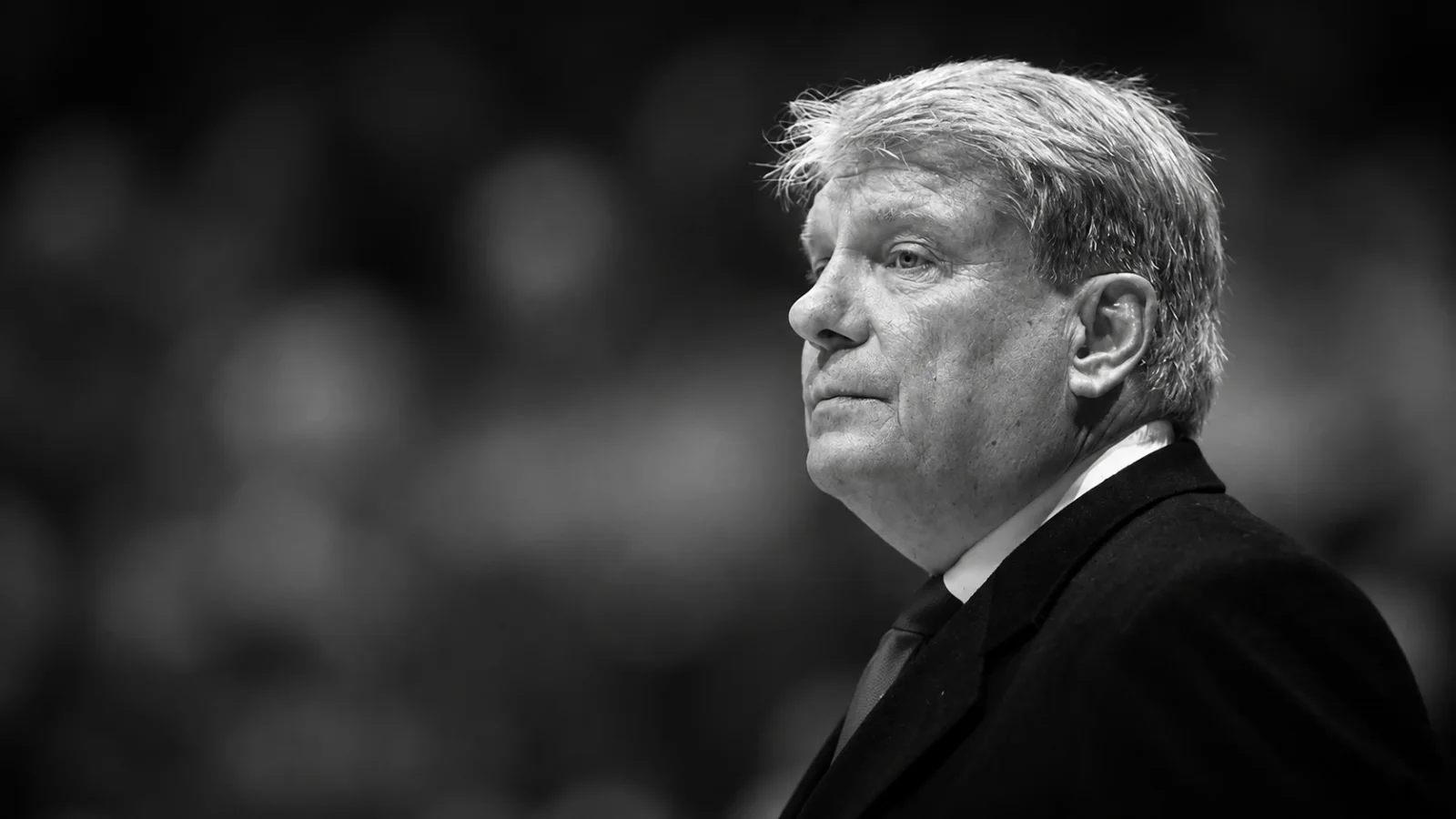
Don Nelson, one of the NBA's most inventive coaching figures, has died at 86.
Marc Stein reported that Nelson's family announced the Hall of Famer died Sunday morning. Nelson was a three-time NBA Coach of the Year and won five championships as a player with the Boston Celtics before building one of the longest and most influential coaching careers in league history.
Nelson's family said he died peacefully, surrounded by loved ones. In the statement, the family described friends and relatives gathering around him during his final week, sharing memories and honoring the relationships he built across basketball and beyond.
NBA commissioner Adam Silver called Nelson a revolutionary figure. Silver said Nelson spent nearly 50 years in the league, first as a Celtics champion and later as a coach whose fearlessness, ingenuity and conviction helped push the sport forward. The league's message was direct: Nelson's impact will continue to be felt for generations.
The Celtics also framed Nelson's career as more than his work on the sideline. Boston noted that his coaching resume was so large it could overshadow his playing days, but that his 11 seasons with the Celtics mattered deeply. Nelson was a trusted Red Auerbach player, a tough all-around forward and part of five championship teams across two Celtics eras.
His most famous playing moment came in Game 7 of the 1969 NBA Finals against the Lakers. With Boston clinging to a 103-102 lead, Nelson's foul-line jumper hit the back rim, bounced high into the air and dropped through. The shot helped the Celtics secure their 11th title in 13 seasons and became one of the defining plays of his career.
Boston retired Nelson's No. 19 after he finished his playing career in 1976. The franchise extended condolences to his wife, Joy, his family and everyone touched by his life in basketball.
The Warriors, one of the franchises most closely tied to Nelson's coaching identity, remembered him as an innovative and influential coach and an iconic figure in team history. Golden State said Nelson saw the game differently and was willing to challenge standard basketball thinking long before many of his ideas became common across the league.
That is the basketball piece of Nelson's legacy. His small-ball instincts, offensive creativity and willingness to bend conventional roles helped shape the modern NBA. The We Believe Warriors became one of the clearest public examples of that spirit, but Nelson's influence stretched across several stops and several generations of players and coaches.
Nelson's career also connected eras that can feel separate now. He was part of the Celtics dynasty as a player, then became a coaching figure associated with experimentation, pace, matchup pressure and the kind of lineup flexibility that later became normal. That range is why the tributes from Boston and Golden State carried different memories but the same respect.
Nelson will be remembered as a champion, a Hall of Fame coach and a basketball original. The official tributes from the league, Celtics and Warriors all landed in the same place: his personality was unmistakable, and his ideas left a real mark on the sport and its people.


No comments yet. Start the conversation.