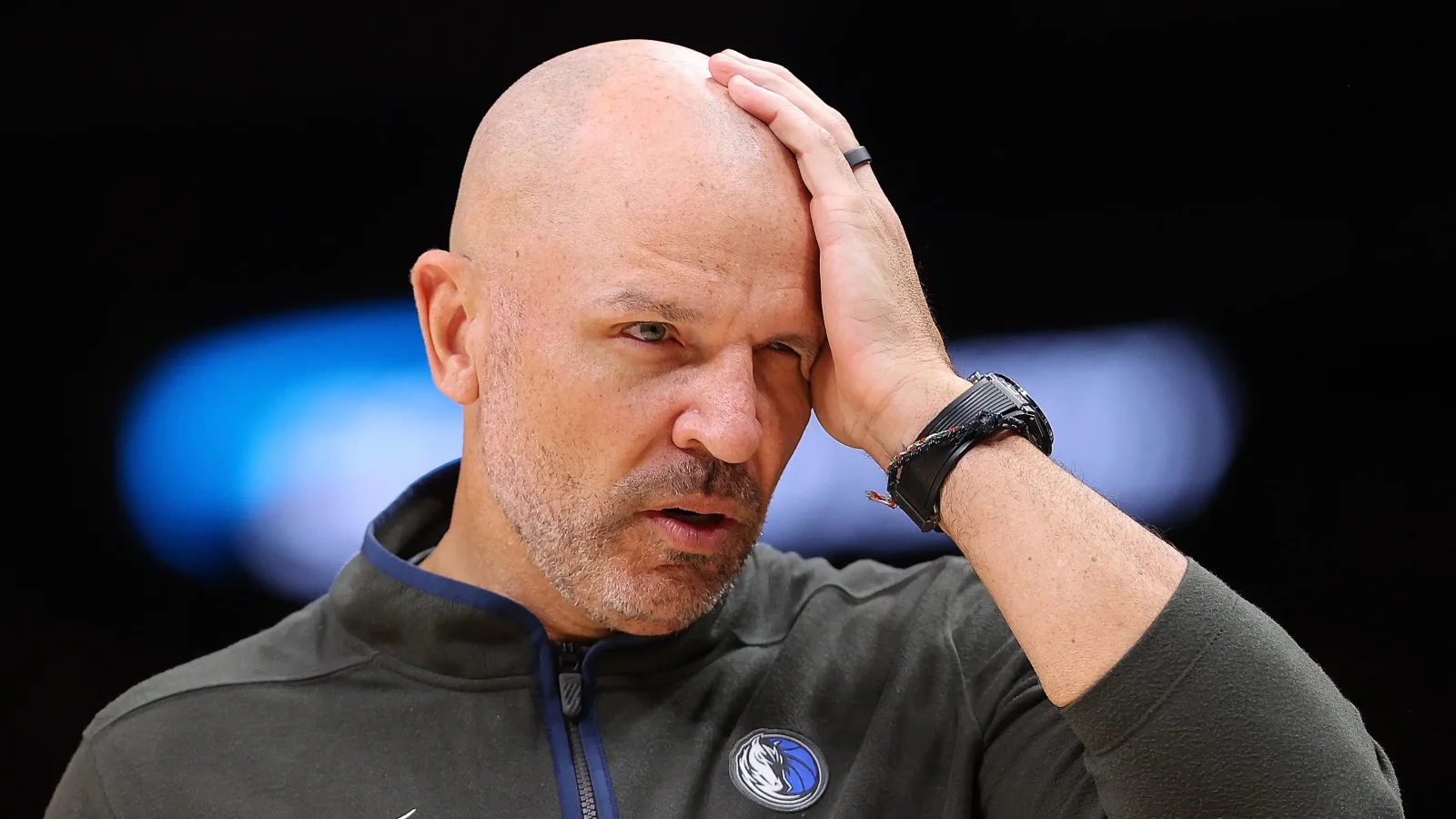
Chris Mannix reported that Dallas’ decision to part ways with Jason Kidd was driven by a desire to avoid a potential internal power struggle, reframing the move as an organizational-control decision rather than a simple win-loss reaction.
What is confirmed in the current reporting cycle is the framing: leadership alignment became a priority point in the Mavericks’ transition phase. What remains unclear publicly is how much of the concern was immediate conflict risk versus long-term governance planning around basketball operations authority.
The context matters because Dallas is already navigating a broader structural reset. In that environment, coaching stability and front-office hierarchy usually become tightly linked, especially when roster direction and strategic timelines are being reset at the same time.
Bottom line: if Mannix’s read is accurate, Kidd’s exit was not just about performance optics. It was about controlling decision lines early and reducing the risk of competing power centers as Dallas enters its next leadership chapter.



No comments yet. Start the conversation.