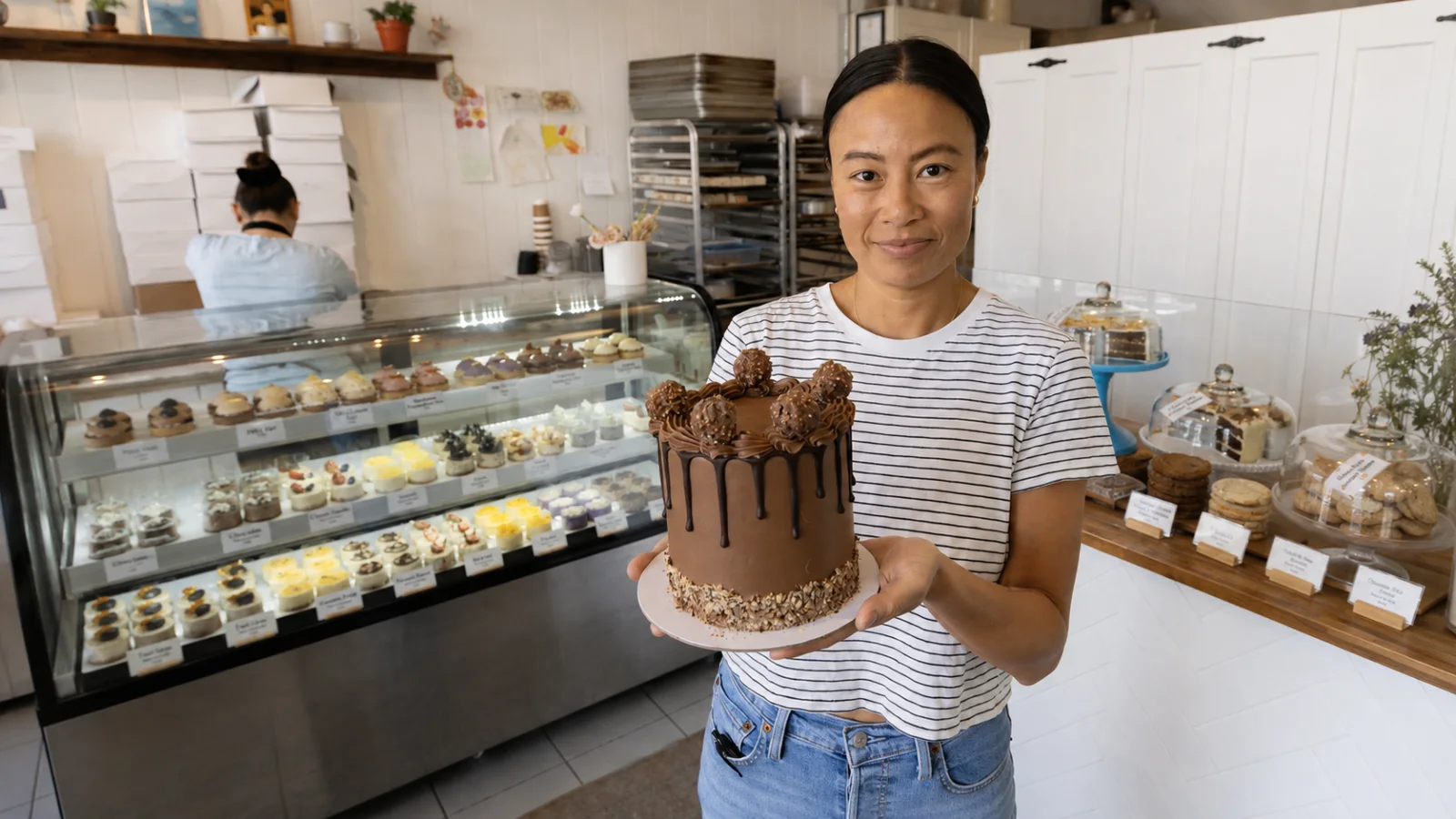
A Vancouver bakery turned a celebrity cake request into a public argument about exposure, labor and who gets asked to work for free.
Fanny Lam, owner of Oh Sweet Day! Bake Shop, said she received an email last week from a representative for former NBA All-Star Metta Sandiford-Artest and his wife, Maya Sandiford-Artest. The message asked about a collab opportunity tied to their child's birthday party at a Richmond farm.
Lam said she knew what that meant. The request was not just a friendly inquiry about a cake. It was a pitch for free product in exchange for social media posts, tags and possible visibility from a family with a large following.
For Lam, the exchange did not make sense. Oh Sweet Day! opened its East First Avenue storefront near Commercial Drive seven years ago and later expanded to Port Moody. She said the business gets free-product and collaboration requests almost every day, and she usually says yes only for charities or community organizations.
This one bothered her because of the imbalance. The requested custom cake would have cost roughly $200 to $300, depending on servings and design. Lam argued that a small business still has to cover ingredients, wages and rent, even when the person asking can offer attention online.
Lam shared screenshots of the email on Instagram, saying she wanted to spark a broader conversation about influencer culture and the pressure placed on small vendors. The email said the family was contacting a select group of local vendors they wanted to feature and noted that the celebration would be shared across social platforms with credit and tags.
Lam's answer was direct: exposure was not the same as payment. She said her business relies on word of mouth and support from paying customers, not on uncertain online reach from a one-off post. In her telling, the same people who make the cake also absorb the risk if that attention never turns into customers.
The public reaction moved quickly. Commenters described the request as wild, inappropriate and out of touch, especially because Sandiford-Artest is not a random social-media personality. He played 17 NBA seasons, won a championship with the Los Angeles Lakers in 2010 and earned an estimated $85 million during his playing career.
Sandiford-Artest, previously known as Metta World Peace and Ron Artest, has also built a post-playing career around business projects and mental health advocacy. That profile made the optics sharper. A former NBA star asking a local bakery to trade a custom cake for posts was always going to land differently than a small community fundraiser making the same request.
The story also had a British Columbia connection. Maya Sandiford-Artest grew up on Vancouver Island and attended the University of British Columbia, while the family has enough regional ties for the request to feel local rather than random.
Lam said Maya later contacted her and asked that the Instagram post be removed, explaining that the original outreach had been made by an assistant. Lam kept the post online but removed details about the child's birthday party.
The bakery owner said the point was not one cake. It was the daily pressure on small businesses to treat free goods as a marketing expense whenever someone with a following asks. She said she is open to giving back when the fit is charitable or community-based, but not when the basic exchange leaves the business absorbing the cost.
A UBC Okanagan marketing professor quoted in the report said collaborations can be useful, but businesses have to judge whether the celebrity's audience is actually relevant to future customers. Awareness online does not automatically become sales, especially for a neighborhood bakery with local operating costs.
That question is practical before it is emotional. A tagged Instagram story may reach people who live nowhere near the shop, may disappear quickly and may not create a single order. The bakery still buys ingredients, pays staff and gives up time that could have gone to a paying customer.
Lam's response also points to a bigger issue around celebrity access. The pitch leaned on the family's strong following and offered credit, but it still asked the smaller party to front the product. In that setup, the famous name gets the party item first. The business is left hoping the promised attention has real value later.
That is why the NBA angle stuck. Sandiford-Artest's name brought the attention, but Lam's argument was about the smaller side of celebrity culture: the supplier, the worker and the person expected to smile through an unpaid ask.
No public apology was included in the report, and the couple did not respond to the outlet's request for comment. The cake request became the story anyway, because Lam put the question plainly. If regular customers pay full price, why should a wealthy celebrity family expect a small bakery to donate the same product for a tag?
The answer from her side was simple. Exposure might create conversation. It still does not cover the invoice.



No comments yet. Start the conversation.