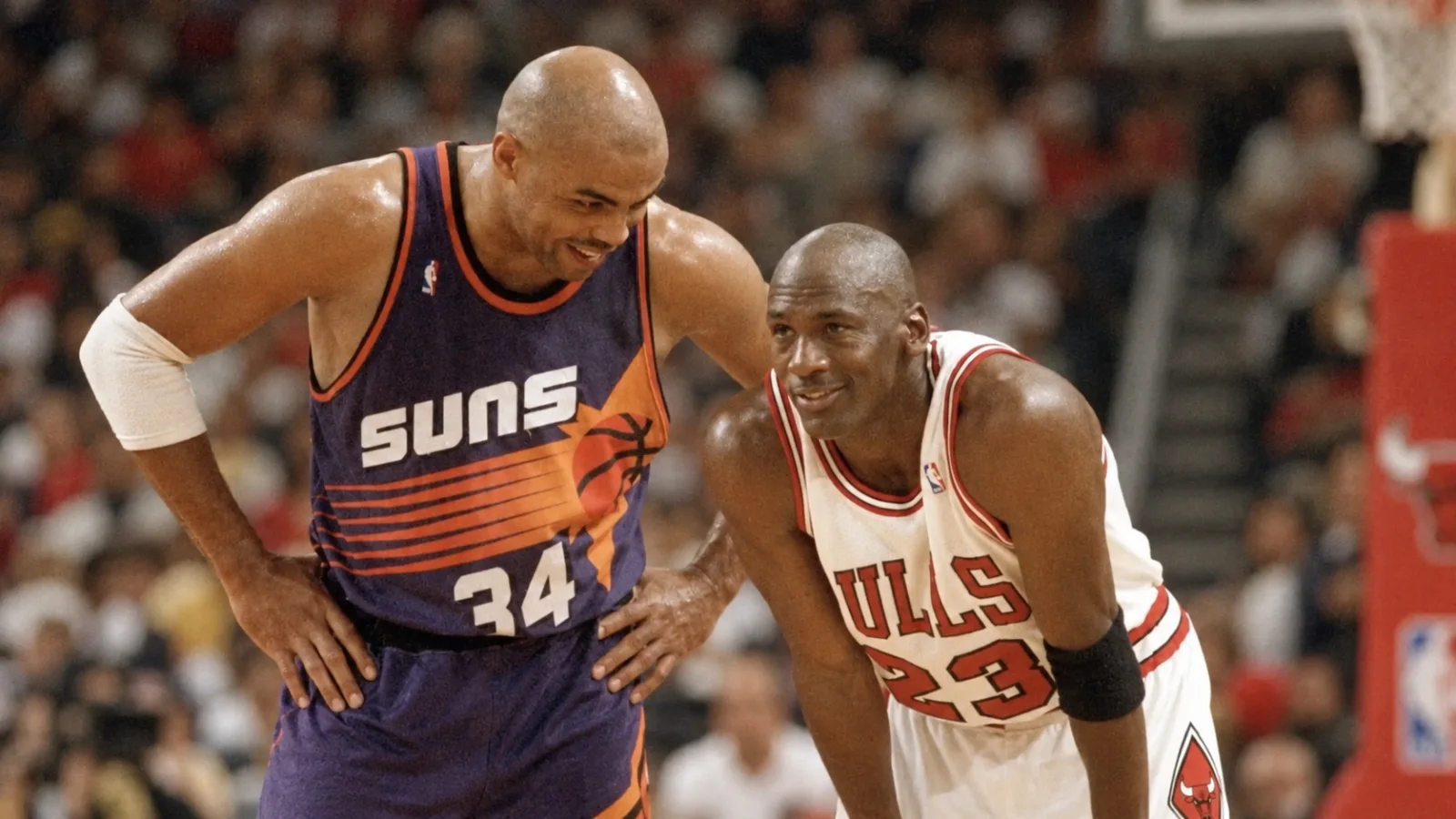
Michael Jordan's front-office instincts are back in the discussion for two very different reasons.
A Reddit thread resurfaced a 1991 Washington Post story about Jordan's frustration with Bulls general manager Jerry Krause, then paired it with an NBA.com feature on Charles Barkley's later criticism of Jordan as owner of the Charlotte Hornets. The old clips land together because they frame the same question from opposite sides: how Jordan saw management when he was a player, and how others judged him when he became the decision-maker.
The first piece came during Jordan's Bulls peak, before the second three-peat turned Chicago's front office into a permanent legacy argument. Jordan was angry after Walter Davis was traded to Portland instead of Chicago. According to the Post excerpt in the Reddit post, Jordan said he planned to call owner Jerry Reinsdorf because Krause had "messed everything up again." Two days later, he sharpened the point.
"If I were general manager, we'd be a better team," Jordan said in the old Post story.
Reinsdorf pushed back publicly while still praising Jordan's greatness. He called Jordan probably one of the three greatest competitors in any sport, alongside Jake LaMotta and Muhammad Ali, but made clear that being a superstar did not mean he understood every part of team building.
Reinsdorf's answer was blunt. Players, he said, did not know a whole lot about coaching or about what it takes to make a deal. He also said the Bulls could not single out one player and make him a consultant to the general manager. It was a reminder that even Jordan, at the height of his powers, was not going to be allowed to run the roster from the locker room.
That exchange aged in a complicated way. Krause became one of the easiest figures to blame for the Bulls' breakup, especially after The Last Dance brought old wounds back into public view. But Krause also built the roster around Jordan and Scottie Pippen, found key pieces, hired Phil Jackson and helped assemble six championship teams. The Reddit discussion leaned into that tension: Jordan's anger was real, but the idea that Chicago would have been better with Jordan making the deals looks much shakier in hindsight.
The Barkley part of the thread adds the second half. Years after his playing career, Jordan became the controlling basketball figure in Charlotte. The Hornets did not become a contender under his watch, and Barkley said Jordan's problem was the people around him.
According to the NBA.com excerpt shared in the post, Barkley said Jordan was unsuccessful as owner because he surrounded himself with "yes men." Barkley explained that famous people often pay for meals and drinks, and people around them do not want to damage the relationship by disagreeing. He said he could not keep his credibility if he criticized other people and ignored Jordan.
That criticism damaged the friendship. Barkley said they had not spoken for years, even though he still loved Jordan like a brother and wished him the best. He also said he did not believe he had done anything wrong by telling the truth as he saw it.
The old quotes are not a clean gotcha. Jordan's complaint about Krause came from a player chasing every edge. Barkley's critique came from a broadcaster judging an owner whose team had struggled. Those are different roles, different moments and different pressures.
Still, the connection is hard to miss. Jordan once believed the Bulls would be stronger if he had more control over roster decisions. Later, when he had power in Charlotte, one of his closest basketball friends argued that the people around him were not challenging him enough.
The thread also shows why Krause remains such a complicated figure in NBA memory. He is remembered by many fans as the executive who helped break up a dynasty, but he also helped construct it. Jordan's public frustration made Krause an easy target, and time has not softened every part of that image.
Barkley's criticism has its own edge because it came from someone close enough to say it without sounding like a distant analyst. That is why the quote still travels. It was not just about draft picks or Hornets losses. It was about whether Jordan, one of the most competitive players ever, could tolerate honest disagreement once he was the boss.
That is the lasting basketball angle. Jordan's playing legacy is secure. The management legacy is more uneven, and these two old snapshots explain why: the player wanted more control, while the owner later became a case study in how hard control can be when the room stops pushing back.
No comments yet. Start the conversation.