The NBA expansion conversation usually starts with Seattle and Las Vegas. A new Reddit table pushed the market-size debate wider.
The post ranked U.S. metropolitan areas by 2025 population estimates and marked which ones already have NBA teams. By that count, Seattle-Tacoma-Bellevue is the largest market without a franchise, listed at 4,161,883 people after 3.56 percent growth from 2020. That part lines up with the league's public direction. Seattle has been treated as one of the obvious expansion candidates, and Adam Silver has said the owners want an expansion decision by the end of 2026.
The interesting part comes after Seattle. Tampa-St. Petersburg-Clearwater is listed second among NBA-less markets at 3,418,895 people, up 7.67 percent from 2020. San Diego-Chula Vista-Carlsbad is third at 3,282,248, slightly down from 2020 but still bigger than several current NBA markets. On raw population alone, both cities look stronger than they usually sound in everyday expansion talk.
That does not mean the NBA is secretly choosing Tampa or San Diego. It means market size is only one filter. Tampa sits close to Orlando, and the Magic already occupy that central Florida basketball footprint. San Diego has history with the Clippers, but it is also inside a broader Southern California sports economy that already includes the Lakers and Clippers in Los Angeles. Those geography and media-rights questions matter as much as a census table.
The table also shows why expansion arguments get messy fast. St. Louis is listed at 2,814,421, Las Vegas at 2,407,226, Kansas City at 2,270,682, Columbus at 2,242,028 and Nashville at 2,197,416. All are large enough to make a theoretical case. But the NBA has to weigh arena quality, ownership money, local corporate base, TV value, travel, territorial claims and whether a new team adds more than it simply divides.
There are smaller wrinkles in the list too. Austin is shown at 2,620,945 after 14.78 percent growth, but the Spurs already own the basketball identity in that part of Texas. Pittsburgh, Cincinnati and Kansas City all clear two million people, yet each would have to prove that NBA demand is stronger than the pull from nearby or existing regional teams. Nashville has growth and a major-event profile, but it would be competing for attention in a league already watching Las Vegas closely.
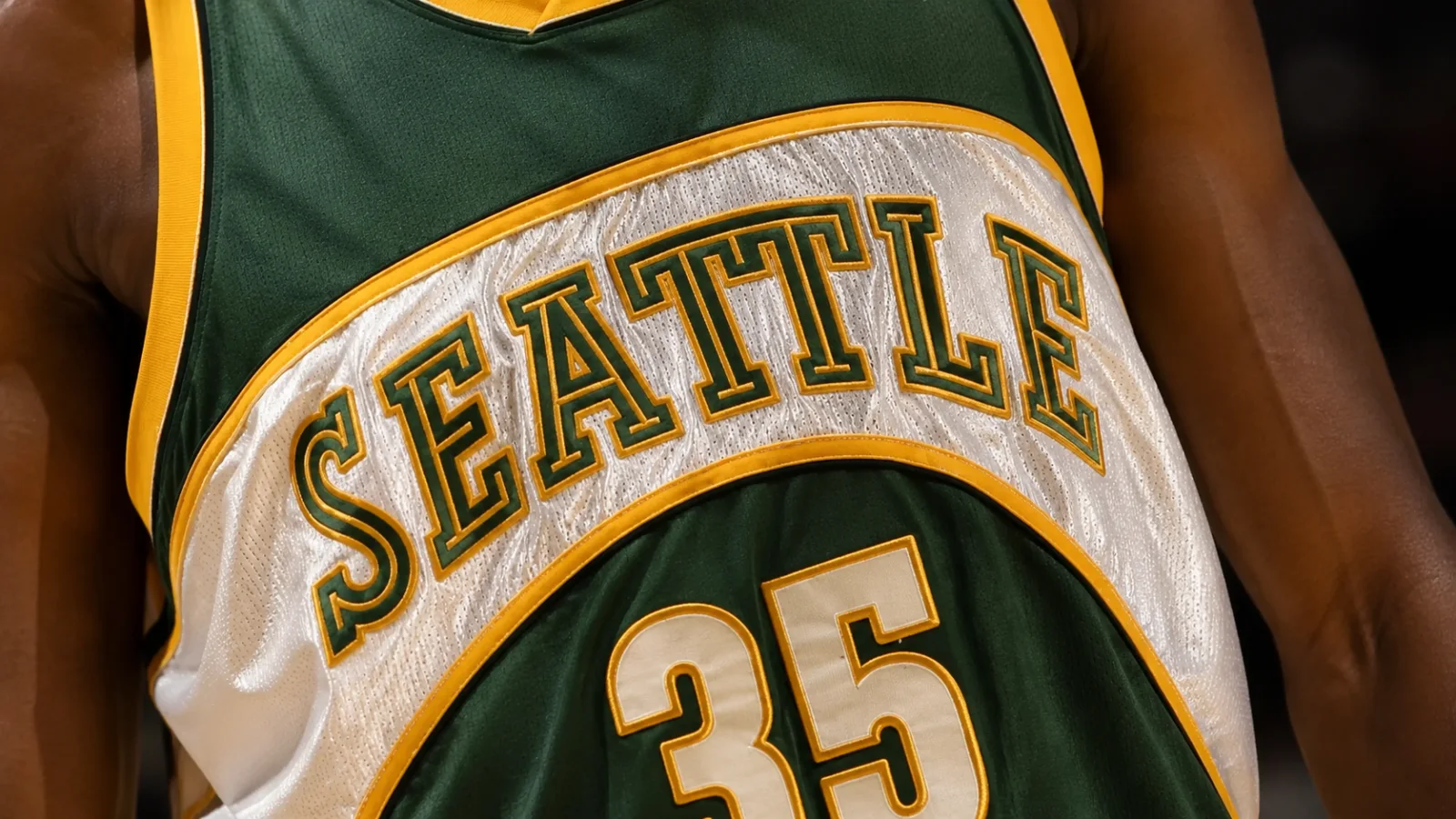
Seattle still has the cleanest basketball story. The SuperSonics left for Oklahoma City in 2008, Climate Pledge Arena has already been modernized, and the city has a built-in fanbase waiting for the brand to come back. Las Vegas has the other modern argument: Summer League, NBA Cup events, rapid growth as a pro sports market and deep ownership interest. That is why those two cities keep coming up first when Silver speaks publicly.
But the Reddit post is useful because it checks the assumption that the next-best markets are tiny. They are not. Tampa is larger than Denver, Orlando, Charlotte, Portland, Sacramento and several other NBA homes by the table's metro count. San Diego is in the same range. St. Louis, Austin, Pittsburgh, Cincinnati, Kansas City and Nashville are not fringe cities either. The league could justify several directions if it ever moves beyond a two-team expansion model.
The numbers also show how much context current teams get from geography. Riverside is listed at 4,769,007, but it is treated as Lakers territory. Baltimore is close enough to Washington to make a standalone NBA case complicated. San Jose is part of the Warriors' larger Bay Area footprint. A metro area can be large and still not be clean from a league-mapping perspective.
There is also a relocation undercurrent. Portland's arena talks and long-term lease questions have already stirred outside-city speculation, even though relocation is a different process from expansion and carries its own political cost. Expansion lets the NBA collect fees and grow the map without ripping an existing team out of its market. That is one reason Seattle and Las Vegas remain the cleaner path.
So the table should not be read as a prediction. It is a pressure test. Seattle leads because it has both size and history. Las Vegas leads because it has league momentum. Tampa and San Diego show that population alone can make other cities hard to dismiss, even if the NBA's current expansion lane still appears narrower than the map of possible markets.
The practical takeaway is simple: if the owners green-light two teams, Seattle and Las Vegas remain the favorites. If the league ever opens the door wider, the next debate will not lack candidates. It will be about which markets bring new money, clean geography and a building that makes sense from day one.



No comments yet. Start the conversation.