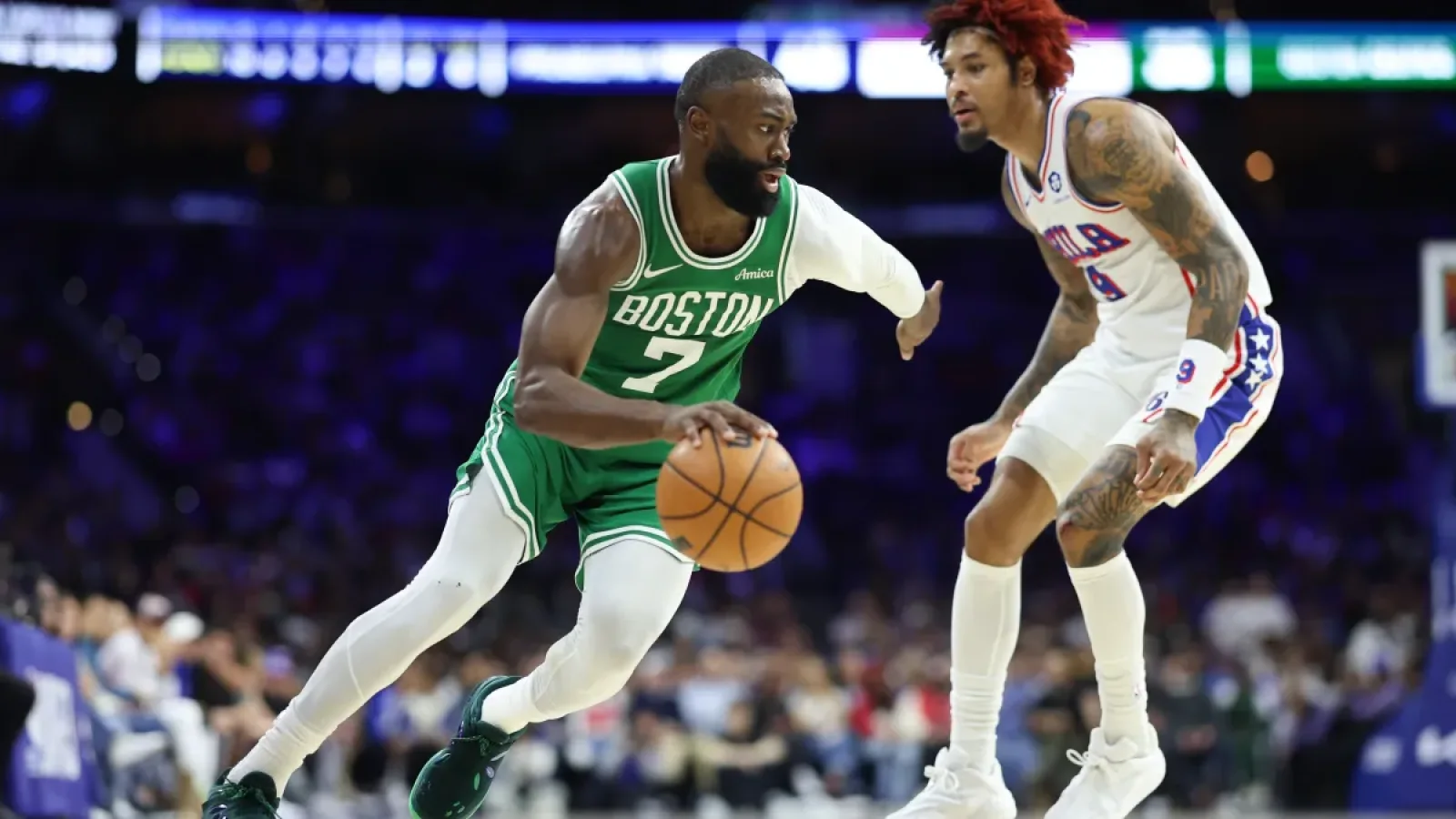
Boston is not trying to dress up the Jaylen Brown trade as simple basketball housekeeping.
Brad Stevens and new Celtics owner Bill Chisholm addressed the deal after it became official, and the word that kept coming back was optionality. Stevens said that, in this context, optionality means contract length and assets. Brown went to Philadelphia. Paul George, two first-round picks and two second-round picks came back to Boston.
Stevens said the path to staying at a championship level looked more difficult with roughly 70 percent of the cap and a heavy share of the usage tied to two players. He pointed out that when Boston won the 2024 title, Brown and Jayson Tatum combined for about 47 percent of the cap. The new CBA has changed that math fast.
That was the cleanest explanation for the timing. Stevens said Boston would not have made the move unless the right opportunity came up, but he also said the current rules make depth harder to build when two stars take up that much money. The Celtics are choosing a shorter George contract, extra picks and a wider set of future choices over keeping the Brown-Tatum pairing intact.
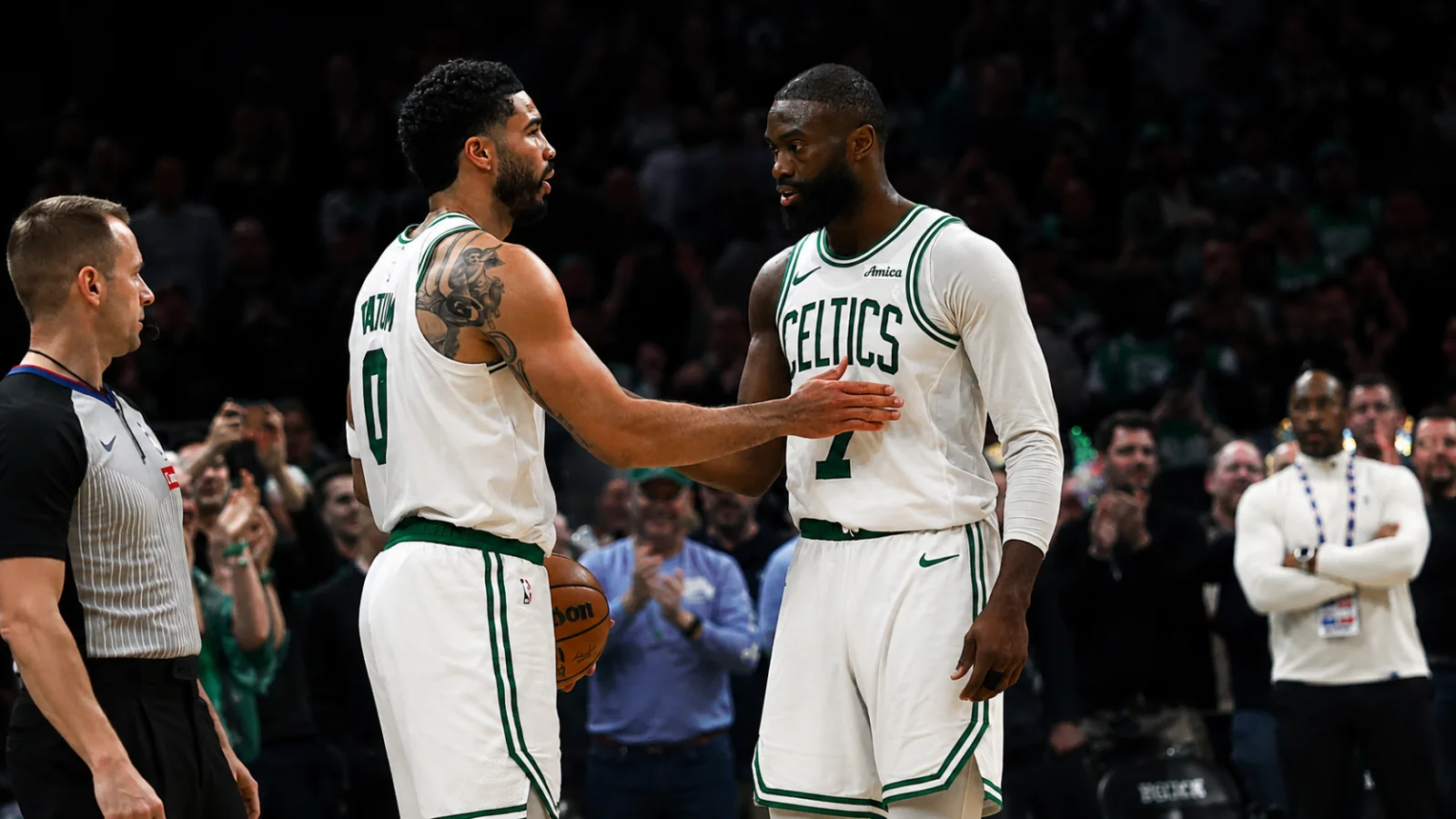
Stevens also made clear that Tatum had no input on the decision. That matters because any trade involving Brown immediately raises questions about the franchise's other star. Boston is now building around Tatum, but Stevens did not present the move as something Tatum pushed for.
The press conference still carried emotion. Stevens said he spoke with Brown in early June about his future and told him that, if Boston ever traded him, it would be a sad day for the franchise. He said the relationship was not irreparable and that he hopes they can sit down one day and reconcile.
He also admitted the decision may not be right. That line stood out. Front offices usually sell certainty after a move this big. Stevens instead acknowledged the risk, while arguing that the Celtics had to weigh roster depth, financial pressure, analytics and future flexibility at the same time.
George's role was handled carefully. Stevens called him a good player and repeatedly paired that with the draft assets Boston received. The Celtics are not pretending George is a one-for-one Brown replacement at this stage of his career. He is 36, his contract is shorter and the picks are a major part of why Boston accepted the package.
Stevens also pushed back on the idea that one hidden issue triggered the trade. He said there was not one single piece that forced the decision, and he would not detail other offers. He did acknowledge that analytics were only one part of the information Boston considered, which will not stop people from treating the numbers as a major part of the story.
Chisholm pushed back on the idea that ownership ordered the move just to cut salary. He said he trusts Stevens and the front office, and said the mandate is to win. At the same time, he acknowledged the reality of the second apron and said the deal was less about pure money than contract length and future assets.
The broader message was clear enough. Boston sees the next major window around 2027-28, when George's contract can become more useful and the Celtics can put picks into a larger deal if the right star becomes available. Chisholm said the team will be ready to make a big move when that move is actually available.
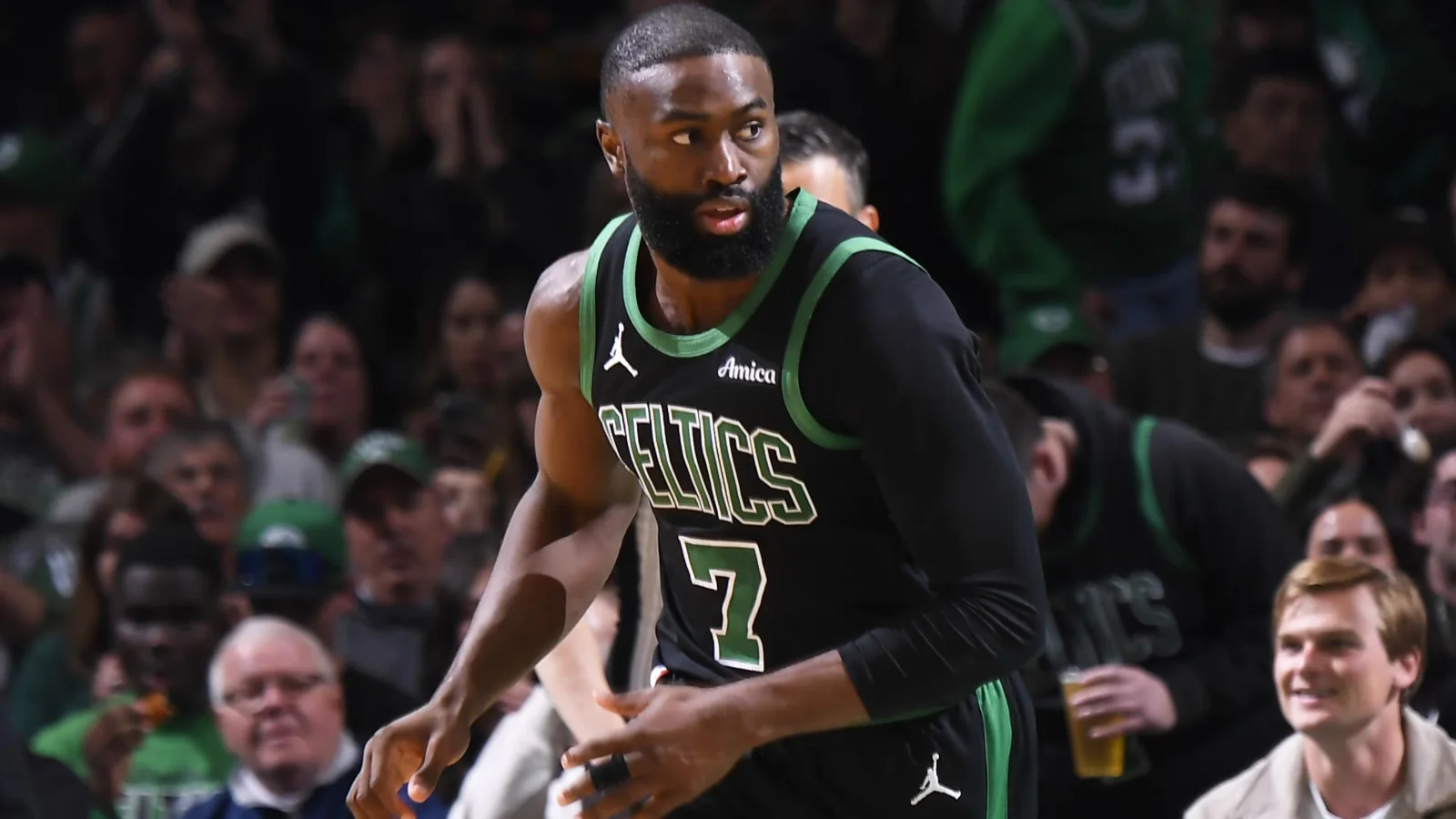
That does not make the trade easy to absorb. Brown was drafted by Boston, won a title there and leaves as one of the defining players of this era of Celtics basketball. Trading him to Philadelphia makes the emotional hit even sharper.
But the Celtics are betting the league's new economics will punish expensive cores that cannot keep enough depth around them. Stevens may be right. He may not be. The test now is whether Boston can turn that optionality into a roster that still feels like a contender before Tatum's next title window starts to narrow.

No comments yet. Start the conversation.