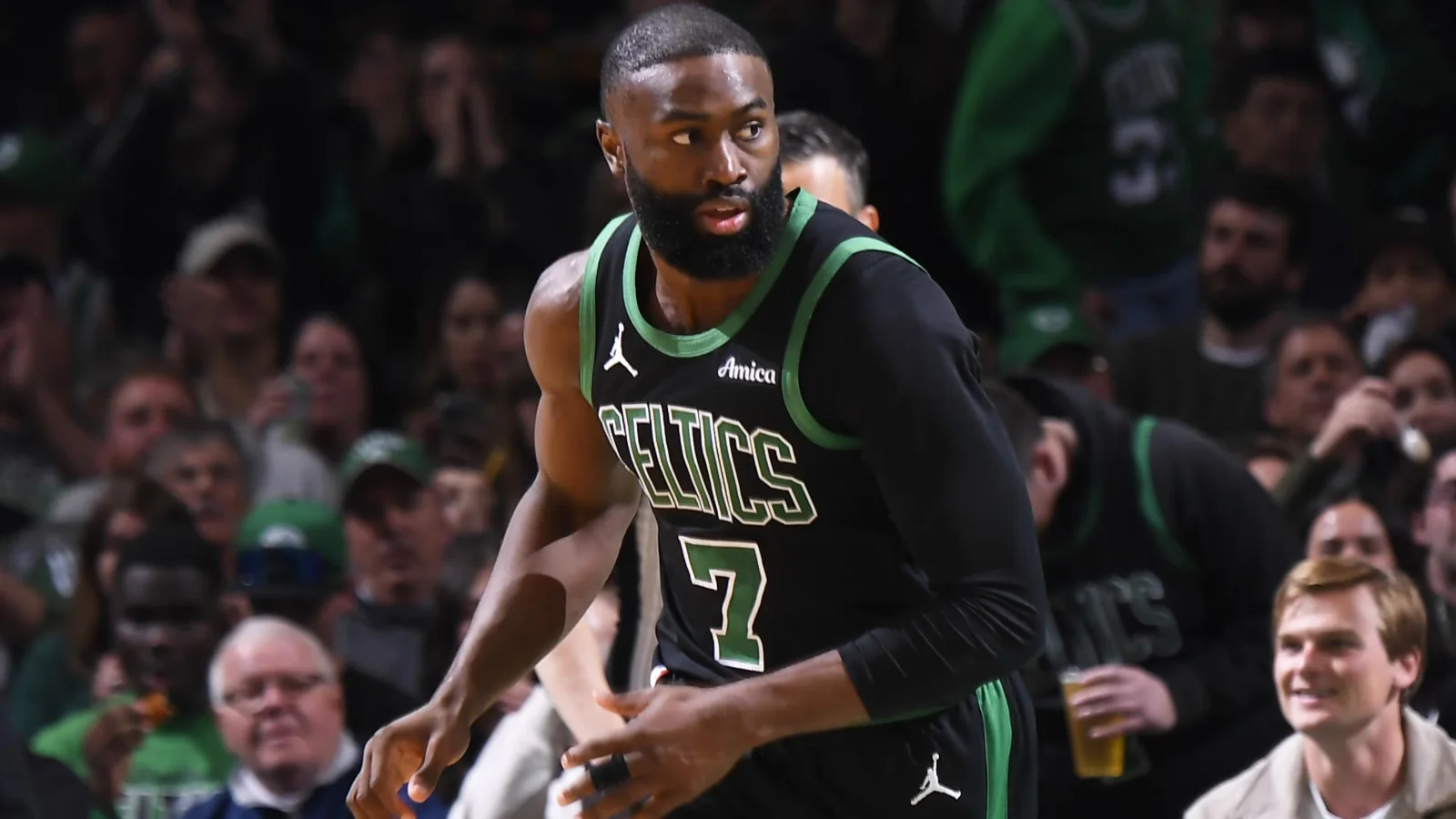
The Jaylen Brown trade is not getting one clean leaguewide read.
ESPN's Tim MacMahon gathered reaction from executives around the NBA after Boston sent Brown to Philadelphia for Paul George, two first-round picks and two second-round picks. The responses landed in two places at once: some executives believe Brown's contract and impact profile made his market difficult, while others still see Boston's return as light for a five-time All-Star in his prime.
That tension is the whole story. Brown has a Finals MVP, a championship, multiple All-Star selections and a central role in one of the league's most successful teams over the last decade. But ESPN's piece also highlighted how some front offices view him through a colder lens: a massive salary, imperfect advanced numbers and questions about whether he is closer to a true top-tier centerpiece or an expensive second star.
One general manager told ESPN that the trade return was baffling because Brown moved for less than Walker Kessler. The comparison stings because Utah received two unprotected first-round picks and two pick swaps from the Lakers in the Kessler sign-and-trade, while Boston took back George's large contract as part of the Brown deal.
That does not mean the Celtics had an easy market. ESPN reported that teams around the league were not all viewing Brown the way fans often do. One executive pointed to the gap between Brown's accolades and the way analytics departments evaluate his impact. Another compared the situation to other high-scoring wings whose production does not always translate cleanly into team-driving value at a giant salary number.
The money is the loudest part. Brown is owed $183 million over the next three seasons, and the expectation of a future extension adds pressure for any team trading for him. That is a different conversation under the second apron. Teams are acting more carefully when a player is not viewed as a true generational engine.
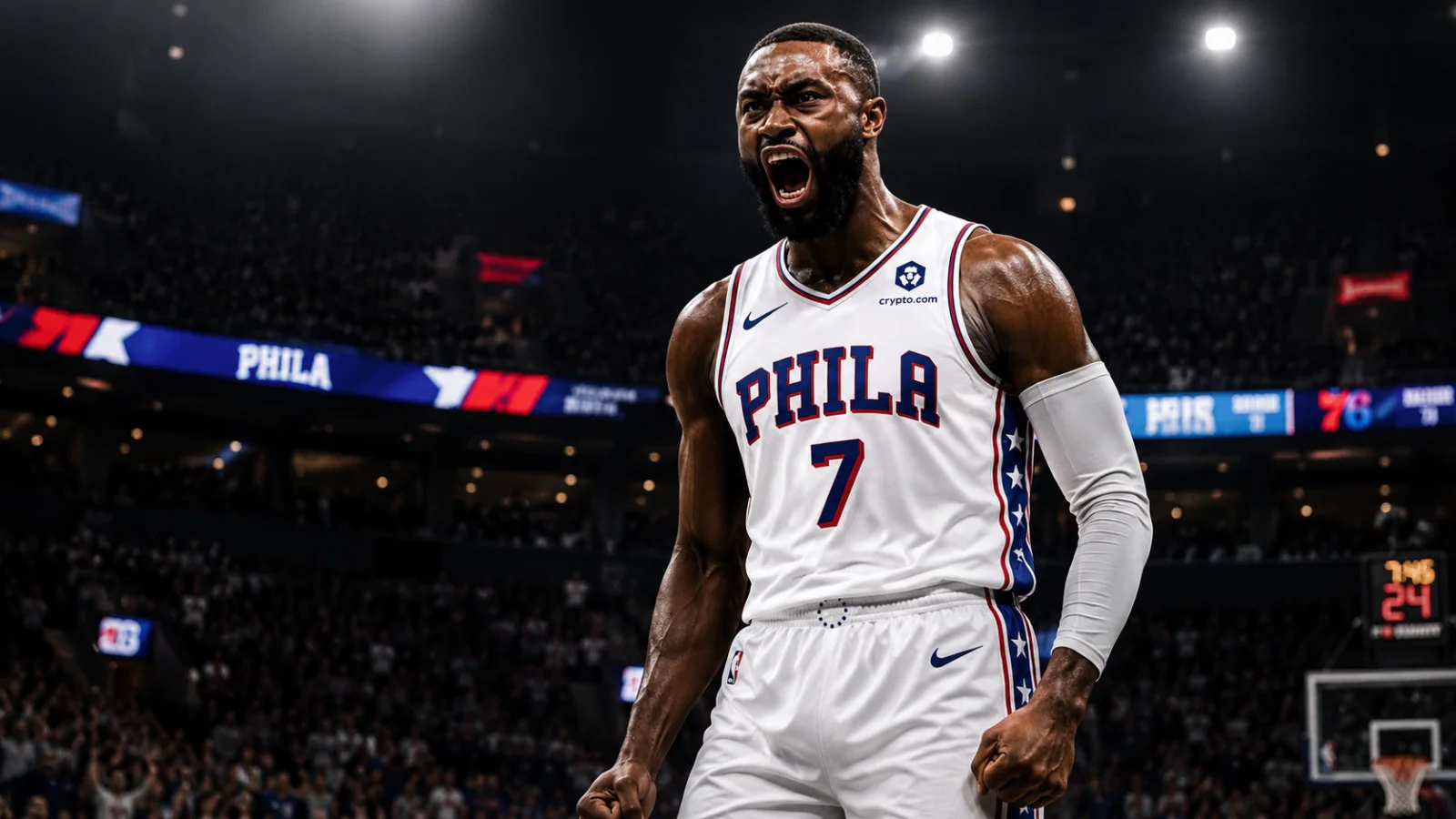
Philadelphia clearly disagreed with the hesitation. The Sixers now have Brown next to Joel Embiid, Tyrese Maxey and VJ Edgecombe, giving them a physical two-way wing with playoff experience and scoring punch. Brown may not satisfy every model, but he gives Philadelphia a level of top-end talent it has been chasing for years.
Boston's side is harder to explain in one sentence. ESPN's reporting said the Celtics had explored major options, including a run at Giannis Antetokounmpo, before landing on the Philadelphia package. Several executives questioned why Boston did not push harder in the Giannis talks if it already knew Brown might have to be moved.
That Giannis layer makes the Brown trade feel even bigger. The Celtics were not only choosing between Brown and George. They were also deciding how far to go for a former MVP who would have changed the entire shape of the roster. ESPN's source material suggested rival evaluators were surprised that Boston protected certain young pieces and draft capital if the alternative was ending up with George instead.
Others were more sympathetic. If Brown's market had narrowed, and if the Celtics believed bringing him back would be difficult after weeks of trade talks, then waiting could have made the return worse. That is the front-office argument: once the league knows a team is under pressure, leverage disappears fast.
The timing matters there. The trade market can dry up quickly after free agency opens. Teams spend their cap room, use exceptions, fill rotation holes and move on. If Boston started with several interested teams and ended with one real bidder, the Celtics may have decided that a flawed trade was still better than dragging the situation into camp.
The Paul George piece also complicates the optics. George is 36, has two years and $110.7 million left on his deal, and his Philadelphia run was damaged by injuries and a suspension. Boston is not getting a clean star-for-star reset. It is getting a shorter contract, draft assets and the possibility of reshaping the roster around Jayson Tatum later.
That is why the reaction sounds contradictory. If Brown is not valued like an elite player because of the contract, Boston's return makes more sense. If Brown is still seen as a prime wing who just averaged 28.7 points, 6.9 rebounds and 5.1 assists, the Celtics look like they sold low to a rival.
There is also the personality and fit layer. ESPN's post included concern from rival decision-makers about whether Brown's strong voice and role expectations would fit on teams that already have established stars. That is a delicate point, but it helps explain why the market may not have been as simple as Brown's resume suggests.
The analytics part will follow Brown into Philadelphia. Boston had a better net rating with him off the floor than on it in several recent seasons, according to the ESPN discussion, and rival teams clearly noticed. That does not erase his playoff production or his 2024 Finals MVP, but it does explain why some front offices separated Brown's reputation from his trade value.
For the Sixers, the risk is different. They are not asking Brown to win alone. They are asking him to defend, attack closeouts, punish smaller matchups and give Embiid and Maxey another high-level option when playoff defenses load up. If that works, the contract debate becomes background noise.
The Celtics are betting that the second-apron era rewards flexibility before sentiment. They moved a homegrown Finals MVP, took back a shorter veteran contract and added picks they can use later. The problem is that flexibility only matters if it turns into a better team.
For now, Philadelphia gets the player and Boston gets the argument. Brown will have the chance to make the analytics debate look small if the Sixers win deep into May and June. The Celtics will have to prove that a painful trade to a rival was not just financially logical, but competitively worth it.
No comments yet. Start the conversation.