
NIL money is starting to pull at one of Europe's most important basketball pipelines.
The issue is not whether young players should be paid. They should be able to earn. The harder question is what happens to European clubs that spend years and serious money developing teenagers, only to watch the best of them leave for NCAA programs before the clubs receive a senior-team return, a transfer fee or a meaningful buyout.
That is why a long Reddit discussion on r/nba gained traction this weekend. The post argued that college basketball's new money is creating a talent drain from European academies to the United States. Its central claim was simple: if clubs cannot benefit from the players they develop, they may eventually stop investing at the same level.
There is reporting behind that concern. Eurohoops wrote in May that Real Madrid had held internal discussions about the possibility of discontinuing youth teams and redirecting resources toward the first team, citing the increased movement of young players to the NCAA. Barcelona sources denied to Eurohoops that the club had discussed such a step, but the fact that Real Madrid was reportedly even considering it shows how serious the pressure has become.
The European model is different from the American school-based system. Elite clubs often scout, recruit, coach and house prospects for years. Their youth teams can run from very young age groups through U19 or U22 levels. The payoff is supposed to come in two forms: the player eventually helps the senior team, or the club receives compensation when that player signs elsewhere.
NIL changes the math. A 17- or 18-year-old who can make major money in college no longer has the same reason to wait for a European senior role. The Reddit post used Nikola Kusturica as its biggest example, saying the Serbian prospect is headed to UCLA for two years and is expected to earn $12 million. It also pointed to Joaquim Boumtje Boumtje going to Duke, and to Barcelona losing several starters from a youth group to college programs.
Those details still need careful framing. Individual NIL numbers can be hard to verify from the outside, and the Reddit post is partly an argument, not an official report. But the broader pattern is not imaginary. Eurohoops listed academy players from Barcelona and Real Madrid who have moved to the NCAA, including Kasparas Jakucionis, Dame Sarr, Ismaila Diagne, Jan Vide and Egor Demin.
The pressure lands because the two systems reward different timelines. A college program can offer visibility, a U.S. development stage and NIL money right now. A European club is often selling a slower path: training, youth minutes, maybe a senior role, and possibly a future buyout. For a top prospect and his family, the first offer can be much easier to understand.
FIBA has already reacted. Secretary General Andreas Zagklis told Eurohoops that clubs, leagues and federations invest in players who start at 9, 10 or 11 years old and can now end up with a seven-figure check at 18. FIBA has introduced an Authorization Letter requirement for young players transferring to the NCAA, including consent from the club and federation they are leaving and guarantees around playing conditions and national team availability.
That does not solve the economic problem by itself. If an academy develops a player for years, then loses him before the senior team stage without compensation, the club's incentive changes. It may still run youth teams for identity, local development and competitive reasons. But the financial case becomes weaker if the best prospects leave before the system can recover any value.
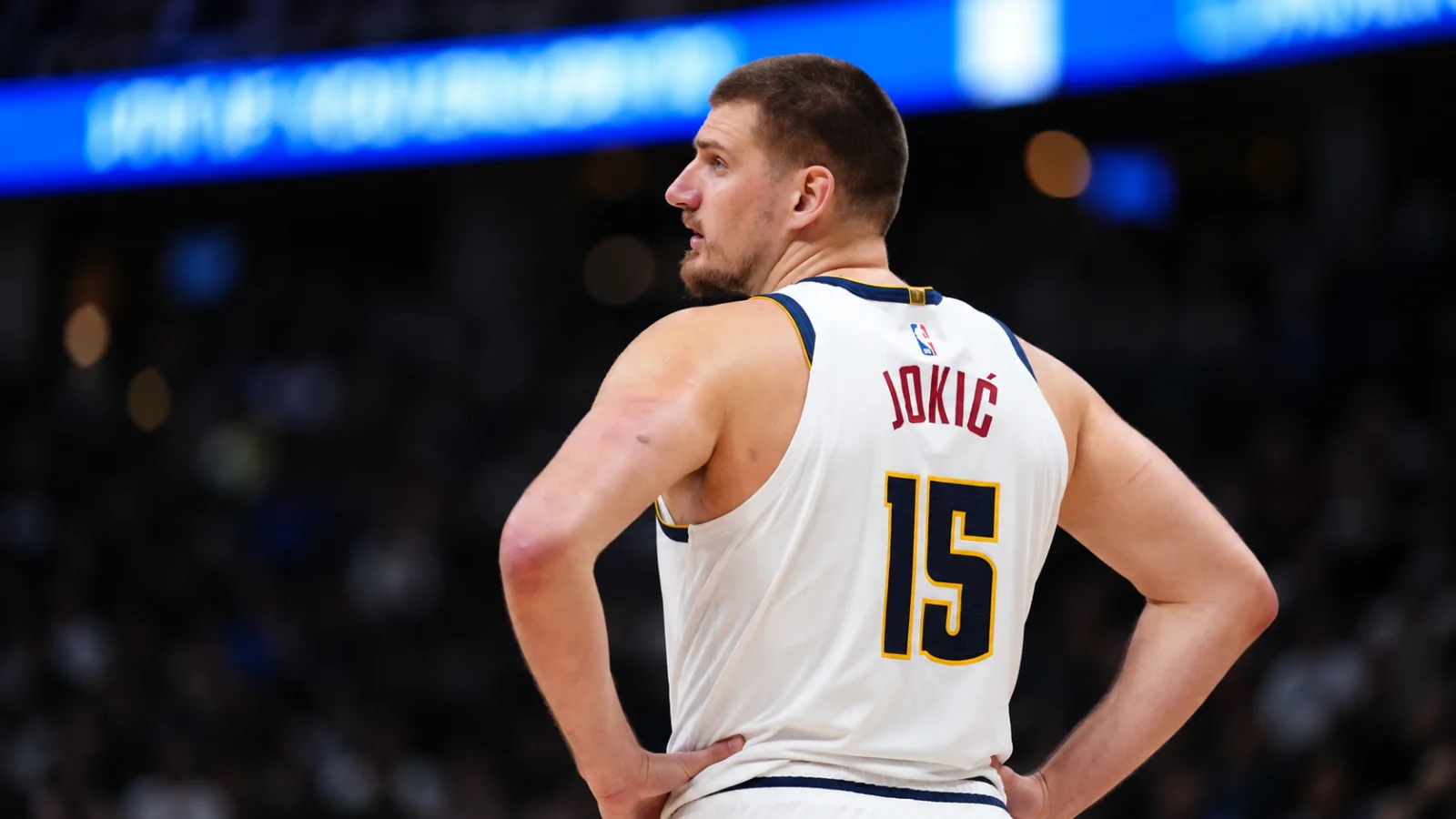
The NBA angle is why this belongs in the league conversation. European development has helped shape the modern NBA. Luka Doncic arrived through Real Madrid. Nikola Jokic came through the Serbian system. Giannis Antetokounmpo, Victor Wembanyama and many others were shaped outside the American college structure. If European clubs cut investment, the impact would not show up next season. It would show up years later, in the depth and polish of international prospects entering the draft.
There is also a counterargument. Some commenters noted that European basketball already had internal talent drain before NIL, with bigger clubs taking prospects from smaller local clubs. Others argued that teams will adapt by using contracts, release clauses or new compensation rules. That is likely where the next fight goes. The NCAA, FIBA, clubs, players and agents all have different incentives.
Release clauses are the obvious next tool, but they are not simple. Youth contracts, national labor rules, NCAA eligibility standards and family choice all sit in the middle of this. If the price is too high, players may resist signing early. If there is no price at all, clubs will keep asking why they should fund elite development for someone else's roster.
The cleanest version of the concern is this: NIL is good for player earning power, but it exposes a gap between the American college system and the European club academy system. One now pays teenagers immediately. The other often asks clubs to fund development first and get rewarded later.
For the NBA, the question is not whether college basketball should keep attracting elite talent. It will. The question is whether the international development system that has fed the league for decades can adjust before its best academies decide the old investment model no longer works.


No comments yet. Start the conversation.