
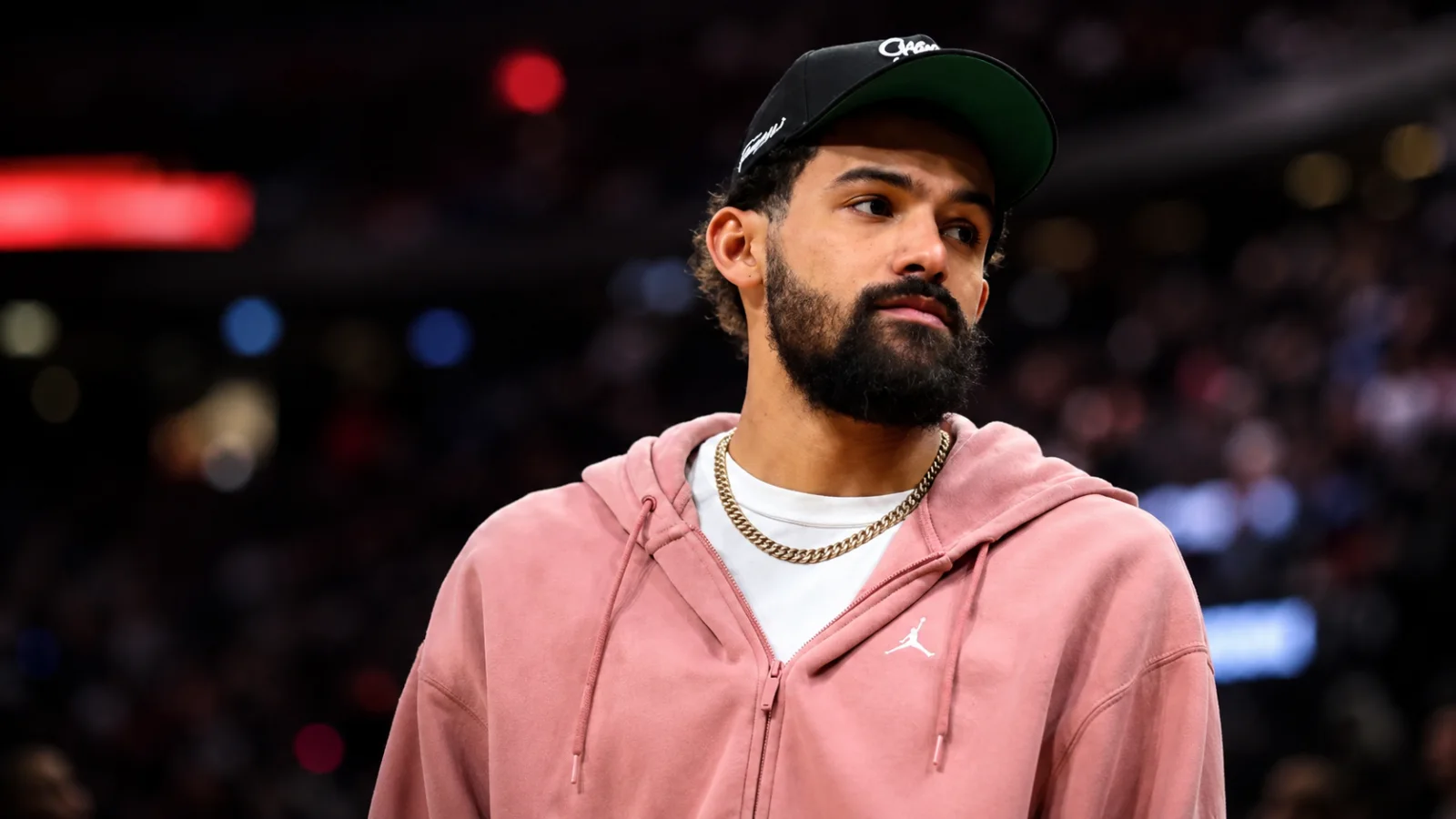
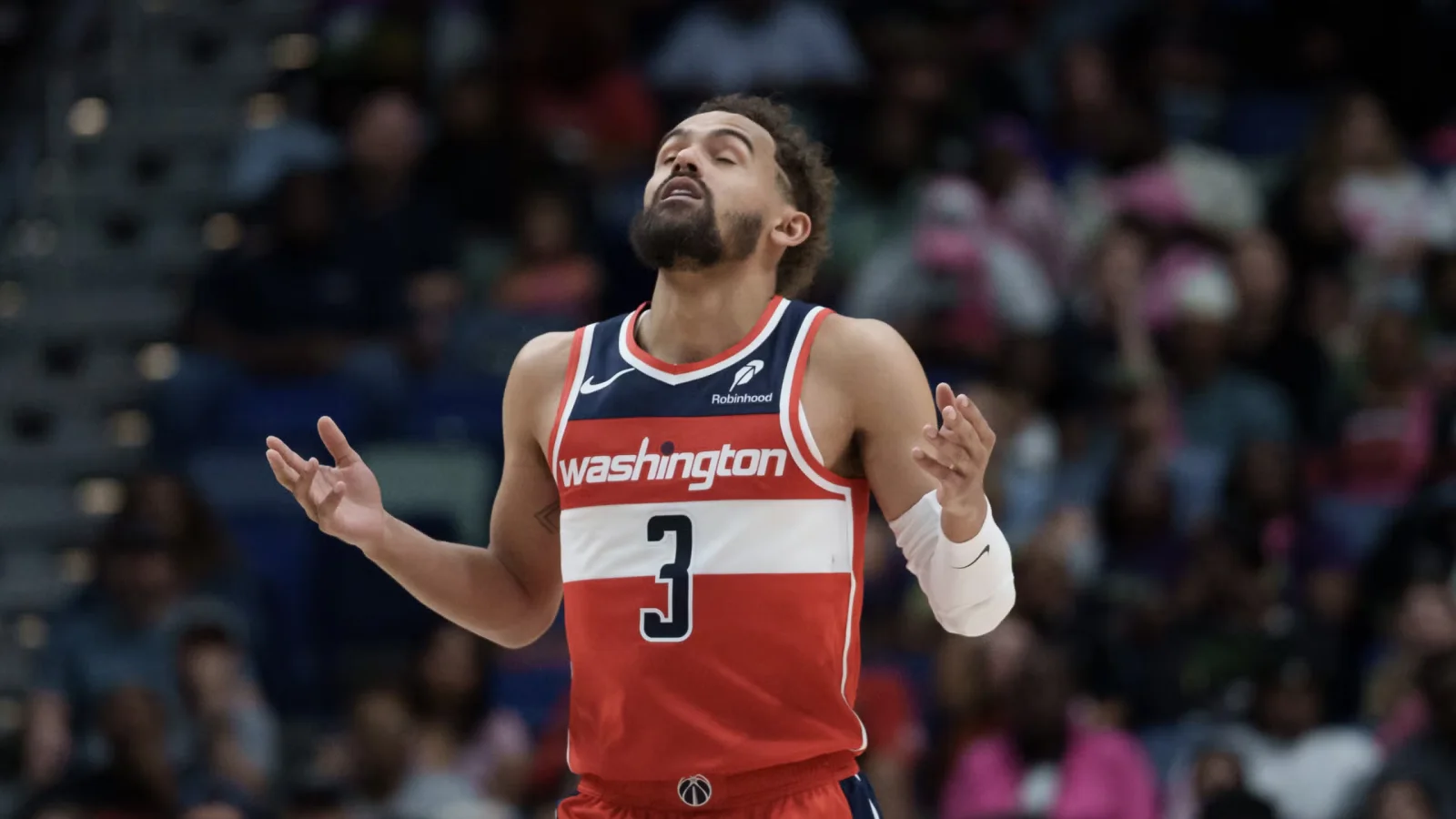
The Wizards did not get to Trae Young's new number by accident.
According to Josh Robbins of The Athletic, Washington's decision-makers became convinced in recent weeks that Young would have maximum-salary offers waiting elsewhere. The reason was not only Young's production. It was the league's new anti-tanking environment, which is pushing more teams to compete instead of staying low in the standings.
That changed the internal math. Months ago, the rumor mill had framed Young's next Wizards contract closer to $40 million per year. Washington now believed a straight free-agent offer or a sign-and-trade proposal could push his market much higher.
The final structure reflects that fear, but also some restraint from the Wizards.
Because Washington holds Young's Bird rights, it could have offered a five-year deal with 8 percent annual raises. Young's reported four-year agreement instead uses 5 percent year-over-year raises, the same maximum raise another team could have offered him as a non-Bird free agent. For the Wizards, Robbins reported, that difference saves $8.9 million over four years.
That is not a small detail. Washington is still paying Young like a max-level guard, but it did not go all the way to the richest version only the Wizards could put on the table.
The front office also does not appear worried that the contract will choke off the roster too quickly. Anthony Davis is due $58.5 million in 2026-27, and Young joins him as one of Washington's two biggest salaries. After that, the money drops fast. Alex Sarr is listed at $12.3 million this season, which leaves the young core relatively cheap for now.
The Wizards do not expect to approach the first apron until 2028-29 at the earliest, according to the report. That would be when rookie-scale extensions for players such as Sarr and Kyshawn George could begin to hit the books.
Age is part of the argument too. Young turns 28 in September, so Washington is treating this deal as a bet on prime years, not a late-career premium. The comparison point is the kind of contract that gets dangerous when the player is already past his best window at the start, with Jimmy Butler's Warriors deal and Paul George's 76ers deal raised as examples in the report.
The harder basketball question is defense. The Wizards know lineups around Young need size and defensive balance. That is not unique to him; teams have built around guards such as LaMelo Ball, Jalen Brunson, Luka Doncic, Kyrie Irving and Donovan Mitchell while covering for defensive limitations.
Washington believes Anthony Davis, Bilal Coulibaly, Kyshawn George, Sarr and the player it selects first overall can become enough of a defensive base to make the Young build work.
So this was not just a payday. It was the Wizards deciding Young's outside market was real, then choosing a contract structure they believe still leaves room to build around him.
That is the bet for now.

No comments yet. Start the conversation.